Yogic pranayama
Spinal Breath
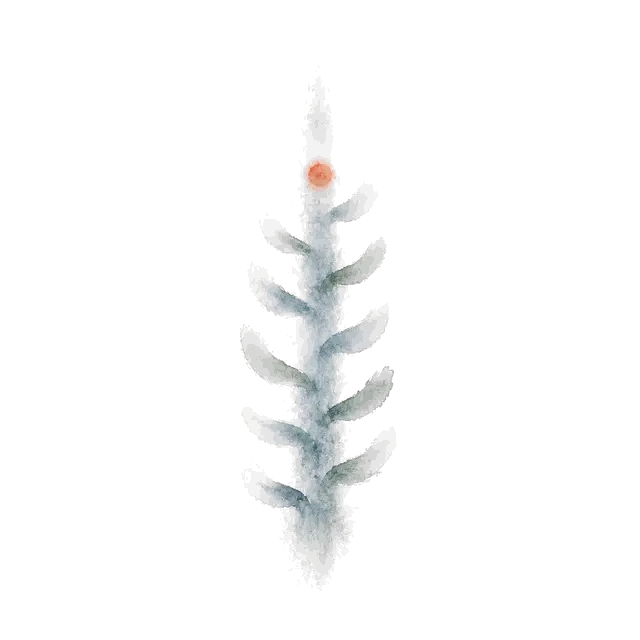
Slow breath visualized flowing up the spine
Why this practice
Guiding breath and attention along the spine's central channel (the sushumna) balances your energy and helps you sink into meditation. This simple form respects the Kriya tradition and needs no formal initiation.
Where it comes from
A slow, steady breath while you sense your awareness rising up the spine as you breathe in and going down as you breathe out. This is the main breathing practice of Kriya Yoga as taught by Paramahansa Yogananda. You imagine the spine as the channel where life energy moves. A deeply meditative practice.
The science behind it
Moving your attention along the spine and pairing each breath with the hum of “Om” makes you more aware of signals from inside your body. Stronger body awareness can reduce repetitive thinking and help you focus on one point, which deepens meditation. The long sound and the soft vibration of chanting also stimulate nerves in the throat, including the vagus nerve. This adds a calming signal without forcing the breath. As always, keep the breath comfortable and don't strain. See a doctor first if you have breathing or heart problems, or a seizure condition.
Sources and references
-
Book
Breath: The New Science of a Lost Art
James Nestor
An easy-to-read popular book on recent breathing research, carbon dioxide, and practical ways to breathe better.
-
Article
Relaxation techniques: Breath control helps quell errant stress response
Harvard Health Publishing
How controlled breathing affects the nervous system and stress.
-
Book
The Polyvagal Theory: Neurophysiological Foundations of Emotions, Attachment, Communication, and Self-Regulation
Stephen W. Porges
Key book on the vagus nerve's role in social connection, managing emotions, and the body's states of calm and alarm.
-
Website
Polyvagal Institute
Polyvagal Institute / Stephen Porges
Learning resources and summaries about the vagus nerve and what it means in therapy for calm and body awareness.
-
Podcast
Huberman Lab (podcast and resources on breathwork and physiology)
Andrew Huberman / Huberman Lab
Podcast episodes and notes that turn brain research into practical breathing tools for focus, stress and the body.
Nose in: cool energy rises from tailbone to the base of the skull. Hold. Nose out: warm energy flows down.
Nose in and nose out. Chant Om once going up the spine and once coming down.
Slow nose breath along the spine with Om on inhale and exhale.
How to practice
- Sit with your back straight.
- Inhale slowly through the nose for 8, feeling energy rise from the base of the spine to the base of the skull.
- Hold gently for 4 at the top of the breath.
- Exhale through the nose for 8, feeling the energy flow down the spine to the tailbone.
- Silently repeat Om once on the inhale and once on the exhale if it helps you focus.
- In the second phase, make the breath longer and turn your attention further inward.
- Practice on an empty stomach when possible.
Visualization ideas
- On the inhale, a thread of light climbs the spine to the point between the eyebrows. On the exhale, it flows back down to the base of the spine.