Yogic pranayama
Two Rivers, One Sea
Alternate nostril balance
Why this practice
Slow, even breathing through one nostril and then the other calms the nervous system and brings a clear sense of balance and calm.
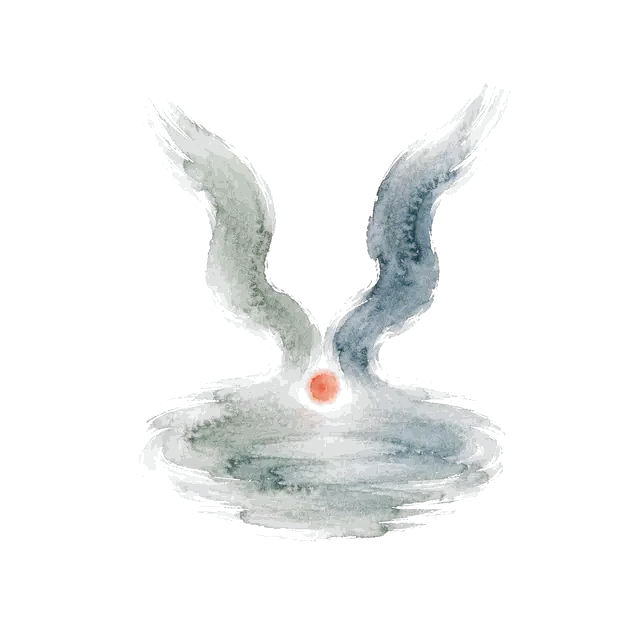
Where it comes from
Alternate nostril breathing uses your fingers to close one nostril at a time, switching sides with each breath. It is a core practice of yogic breathing (called Nadi Shodhana). It calms the mind and brings a sense of balance between the two sides of the body. Research suggests it can reduce anxiety and improve focus.
The science behind it
For the mind, the practice sharpens your sense of what is happening inside your body. You pay attention to small differences between the two nostrils and to the rhythm of the breath. Slow, even breathing also changes the level of carbon dioxide in the blood in a predictable way: breathing a bit more slowly raises carbon dioxide a little, which can feel grounding and reduce the fast, anxious breathing that comes with worry. Together, these effects on the body and on your awareness explain why slow, alternating breaths often bring a sense of balance and calm.
Sources and references
-
Article
Relaxation techniques: Breath control helps quell errant stress response
Harvard Health Publishing
Easy-to-read overview of how paced breathing affects stress and the nervous system.
-
Website
Vagus Nerve
Cleveland Clinic
Clear summary of what the vagus nerve does and how it affects heart rate, digestion and stress.
-
Book
Breath: The New Science of a Lost Art
James Nestor
Popular-science book on how breathing works, the role of carbon dioxide, and how different ways of breathing affect health and performance.
-
Website
Yoga International
Yoga International
Practical guides and teaching resources on pranayama and practices like Nadi Shodhana (alternate nostril breathing).
-
Podcast
Huberman Lab (podcast and show notes on breathing tools)
Dr. Andrew Huberman
Podcast episodes and notes on how breathing patterns affect your nervous system, alertness and stress; useful for science-based breathing tools.
Switch the open nostril at the start of each new inhale.
In one nostril, out the other, four counts each way.
How to practice
- Sit tall. Rest the left hand in the lap.
- With the right thumb, close the right nostril. Inhale left for 4.
- Close both nostrils briefly, holding for 2.
- Open the right nostril and exhale through it for 4.
- Inhale right for 4, hold, then exhale left. That is one full round.
- Continue, smooth and unhurried.