Nervous-system science
The Slow Release
Exhale through the straw
Why this practice
Pursing your lips makes your breath out twice as long, without effort. This strongly switches on the body's rest-and-digest mode. You can do it anywhere, and from the outside it looks like normal breathing.
Where it comes from
Breathing out through slightly pursed lips, as if through a thin straw, slows the breath out. It also creates a gentle pressure that keeps the airways open. This gives the lungs more time to take in oxygen and turns on the calming side of the nervous system. It is used in breathing therapy, yoga, and breath training to help with anxiety or shortness of breath.
The science behind it
Slower breathing also changes how the lungs exchange gases. A longer breath out lets carbon dioxide build up slightly before the next breath in. This can ease breathlessness caused by breathing too fast, when carbon dioxide drops too low. It can also reset how sensitive the body is to carbon dioxide. Practicing slow, controlled breaths out makes you more aware of what is happening inside your body, so you notice breathing signals sooner and can calm anxious reactions faster. In short, this simple change (pursed lips and a longer breath out) gives the airways mild support, helps body and mind stay calm, and makes breathing more efficient.
Sources and references
-
Article
Pursed-lip breathing
American Lung Association
A clear guide for patients on pursed-lip breathing and how to do it. It covers how it helps with breathlessness and with chronic obstructive pulmonary disease, a long-term lung condition.
-
Article
Pursed-Lip Breathing
Cleveland Clinic
A medical overview with practical steps for pursed-lip breathing and tips on when to use it.
-
Website
Breathing exercises
NHS (National Health Service, UK)
Practical breathing techniques to ease anxiety and breathlessness, with simple advice on slow breathing and longer breaths out.
-
Book
Conscious Breathing
Anders Olsson
A thorough reference on slow breathing: longer breaths out, controlling the rhythm, and how breathing can calm you.
-
Book
Breath: The New Science of a Lost Art
James Nestor
A popular book that brings together modern and historical research on breathing patterns, tolerance to carbon dioxide, and the health effects of different breathing techniques.
-
Video
Pursed Lip Breathing (how-to demo)
American Lung Association (YouTube)
Short instructional demonstration of pursed-lip breathing suitable for clinicians and the public.
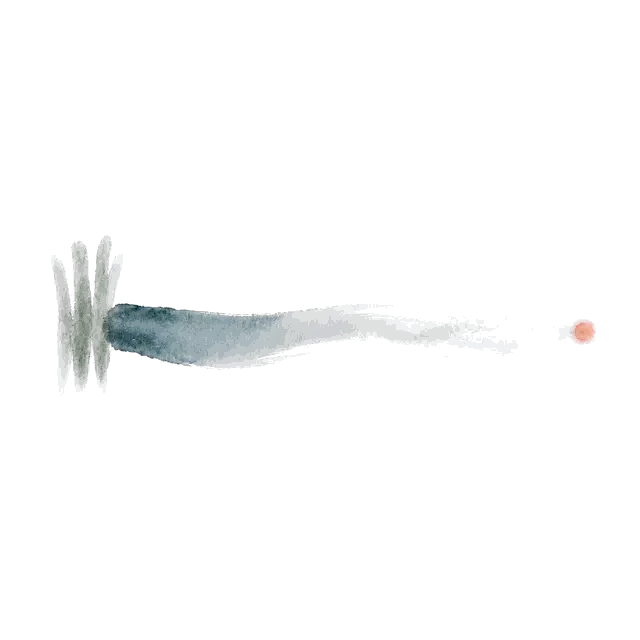
Breathe out slowly through pursed lips, like blowing through a thin straw. Gentle resistance, no force.
In for 4 through the nose, out for 8 through barely parted lips.
How to practice
- Sit or stand naturally. No one needs to know you are doing this.
- Breathe in quietly through the nose for 4.
- Purse the lips as if blowing out a candle very slowly.
- Let the air flow out gently for 8. No force, just a slow release.
- Feel a slight pressure in your chest and throat.
- Repeat. Let your body relax a little more with each long exhale.