Taoist energy work
The Lower Field
Slow belly breathing to gather calm energy
Why this practice
Slow belly breathing into the lower dan tien draws scattered energy down and builds a calm, steady store of energy.
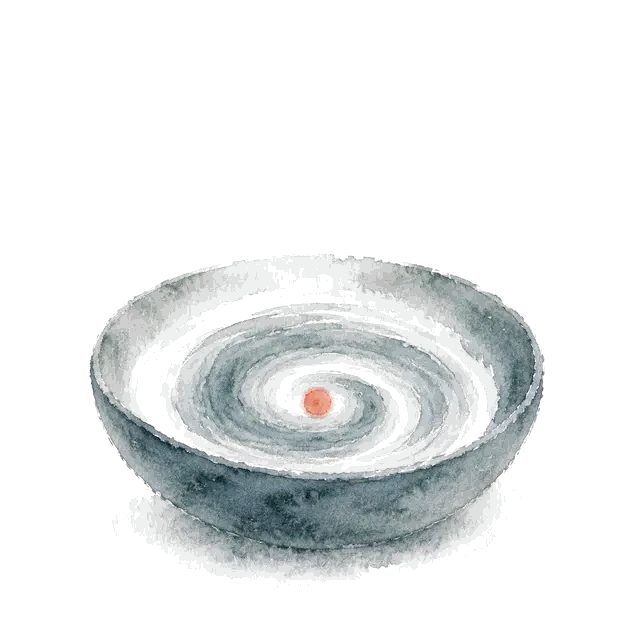
Where it comes from
This Taoist practice brings your attention to the lower belly, about two inches below the navel, while you breathe slowly and deeply. In Chinese tradition, this area (the lower dan tien) is seen as the body's energy center. Breathing slowly into this spot builds a calm, grounded sense of energy.
The science behind it
Breathing more slowly also changes the gases in your blood. Slightly higher carbon dioxide from slower breathing improves blood flow to the brain and eases the anxious feelings that come from breathing too fast. Practicing this pattern often helps you sense what is going on inside your body (pressure, movement, breath). This helps you notice tension or stress early and calm yourself more easily. As with any breathing practice, go gently: if you feel dizzy or unwell, return to your normal breathing and rest.
Sources and references
-
Article
Relaxation techniques: Breath control helps quell errant stress response
Harvard Health Publishing
Overview for a general audience of how slow belly breathing affects stress, heart rate and calm.
-
Article
How Breath-Control Can Change Your Life: A Systematic Review on the Physiological Effects of Slow Breathing
A. Zaccaro et al. / Frontiers in Human Neuroscience (2018)
Review of many studies showing that slow, controlled breathing changes the nervous system, heart rhythm flexibility and carbon dioxide-related effects.
-
Book
Breath: The New Science of a Lost Art
James Nestor
Popular-science book on how breathing works, the role of carbon dioxide, and how different ways of breathing affect health and performance.
-
Website
Relaxation and breathing exercises
NHS (National Health Service, UK)
Practical advice and simple belly-breathing exercises for beginners and people with health conditions.
Breathe in and out through the nose, into the space below the navel. Let it round and soften.
Four in through the nose to the belly, six out through the nose.
How to practice
- Sit or stand with knees soft and spine relaxed.
- Rest both hands over the lower belly.
- Breathe in through the nose for 4, letting the belly expand into your hands.
- Breathe out through the nose for 6, imagining warmth gathering below the navel.
- With each round, feel your center of gravity drop lower.